
2025
Final project presentation of Laboratory 6–7 (B.Sc. in Physical Sciences)
by Valentina López Zanier y Tomás Mautino
December, 2025
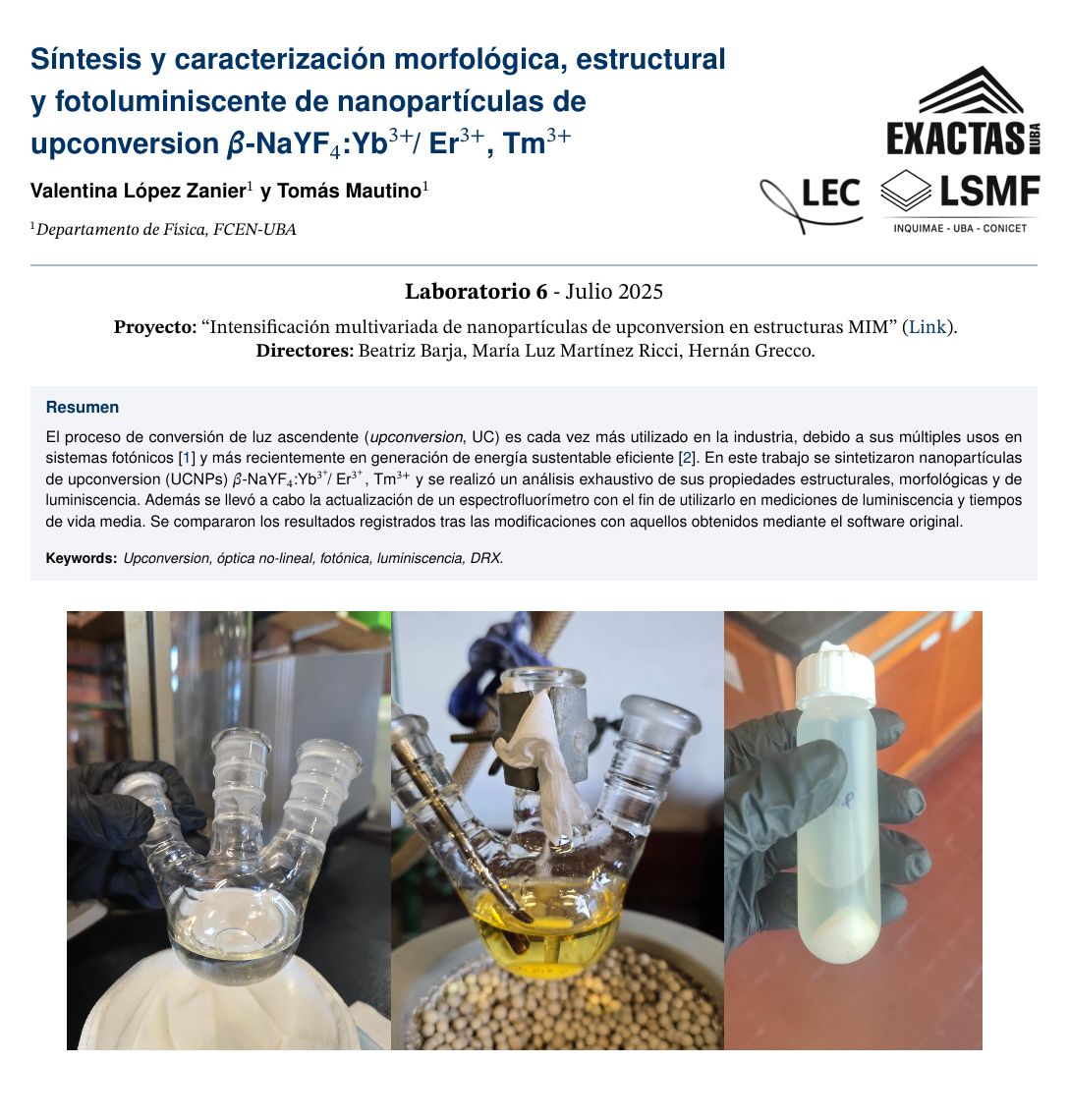
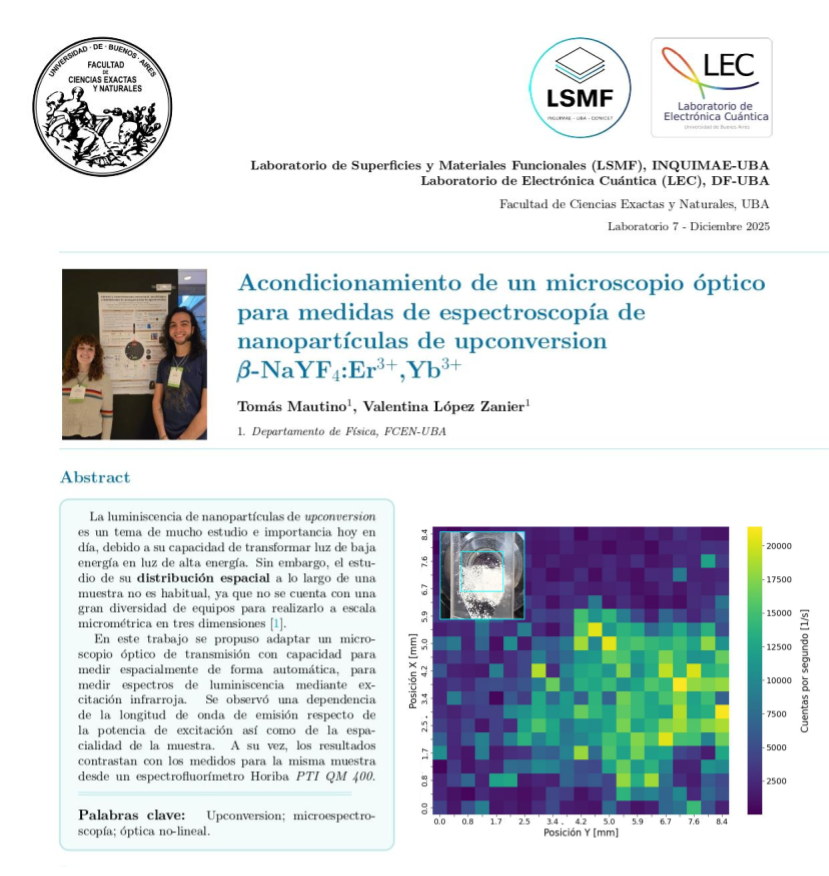
On December 18, Valentina López Zanier and Tomás Mautino, students of Laboratory 6–7 (B.Sc. in Physical Sciences), gave the final presentation of their project. The first part of the project was carried out at the LSMF and at the Photochemistry Laboratory of INQUIMAE, under the supervision of María Luz Martínez Ricci, Beatriz Barja, and Marcos Illescas, and was based on the synthesis and morphological, structural, and luminescence characterization of upconversion nanoparticles (UCNPs). The second half of the work took place mainly at the Quantum Electronics Laboratory (LEC, DF-UBA), under the guidance of Hernán Grecco and Tomás Di Napoli, and focused on adapting a transmission optical microscope for the spatial study of the luminescence of UCNP samples.
 Video Labo 7_2.mp4
Synergy Workshop on Nanomaterials Synthesis,
Photonics and Spectroscopy - UNSAM
Decmber 16-17th, 2025
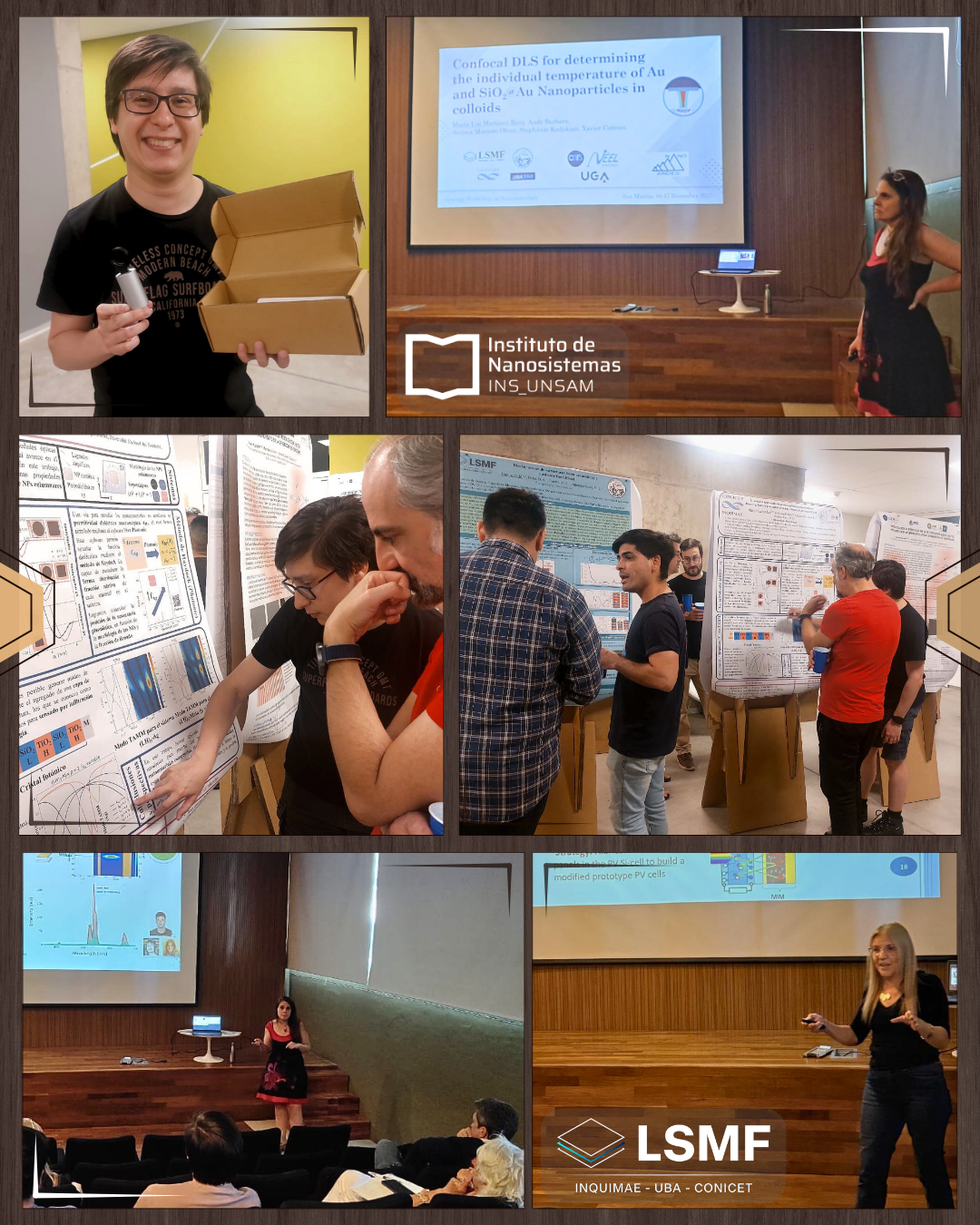
María Luz Martínez Ricci and Beatriz Barja participated as invited experts in the Synergy Workshop on Nanomaterials Synthesis, Photonics and Spectroscopy, presenting their research and engaging in discussions with the scientific community in the field.
In addition, Leandro Missoni and Gonzalo Urquía presented their work in poster format, where they had the opportunity to discuss their results with researchers working in nanomaterial synthesis, photonics, and spectroscopy.
We would like to especially congratulate Leandro Missoni, who won a prize in the raffle organized by TECSI during the workshop!
It was an excellent opportunity for the exchange of ideas and the discussion of advances in nanoscience.

XIV International NanoAndes School - Chile 2025,
I NANOMER Pedagogic School
November 3rd-7th, 2025
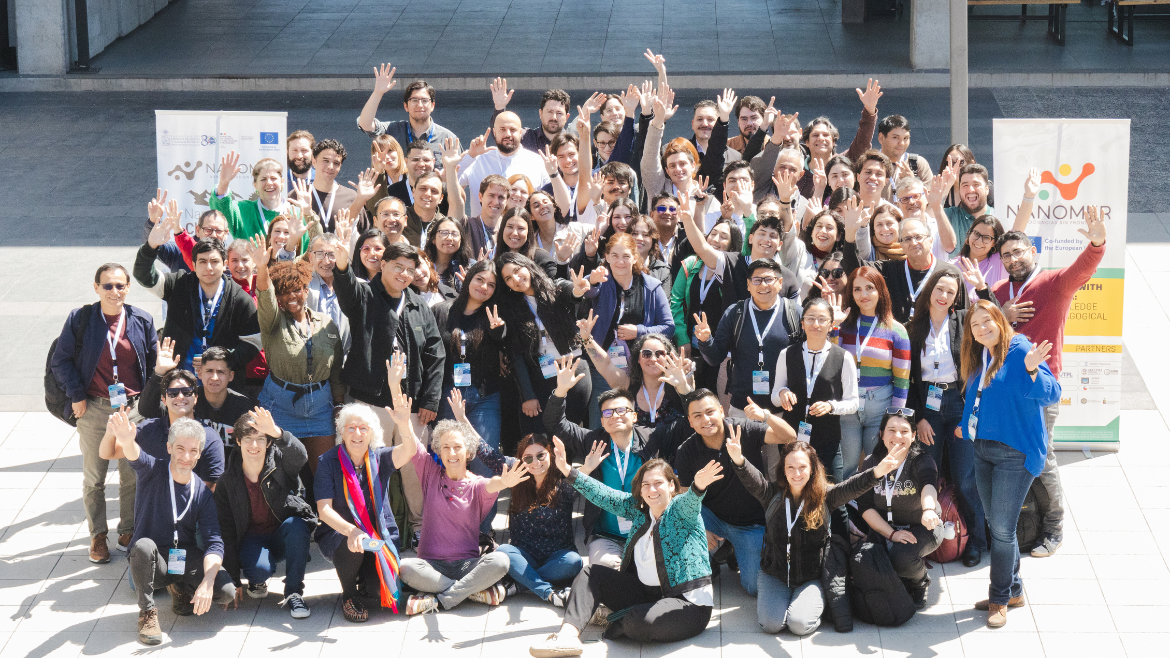
Dr. Sara Aldabe Bilmes, a member of the Laboratory of Surfaces and Functional Materials, actively participated as an instructor in the 14th NanoAndes International School – Chile 2025 and the 1st NANOMER Pedagogical School, both held from November 3 to 7, 2025.
During these activities, Dr. Aldabe Bilmes contributed to the training of students and researchers from various Latin American countries, offering innovative pedagogical tools aimed at improving the teaching of nanoscience and nanotechnology in university settings. Her participation included lectures, discussion-based activities, experience sharing, and the promotion of collaborative spaces that encouraged reflection on how to teach science in a more inclusive, creative, and critical way.
Following the school, the activities continued with the NanoAndes Workshop, held on November 11 and 12 in the city of Valdivia, where several research groups presented and analyzed recent scientific work in a multidisciplinary dialogue environment. Drs. María Luz Martínez Ricci and Sara Aldabe Bilmes took part in these sessions, contributing their insights and fostering academic exchange among researchers in the region.

Participation in the 2025 Edition of the UBA Students Chapter's Lab Visits
by OPTICA, IEEE Photonics and SPIE
October 28th, 2025

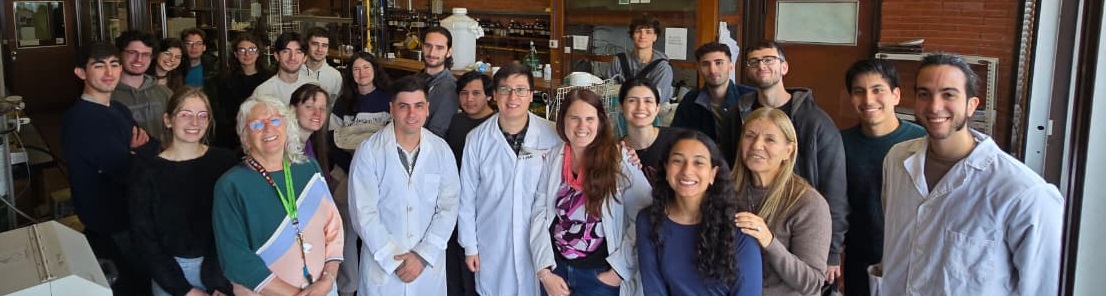
Members of LSMF took part in the 2025 Edition of the Laboratory Visits organized by the UBA Student Chapters of OPTICA, IEEE Photonics, and SPIE. These visits are aimed at physics students who are looking for Laboratory 6 and 7 projects, thesis or PhD opportunities, or who are simply interested in learning how research is conducted in optics laboratories.
The event featured several members of the LSMF. Sara Aldabe Bilmes presented work on metallic nanoparticle colloids, while Valentina López Zanier and Tomás Mautino discussed their Laboratory 6 and 7 project on upconversion nanoparticles. Meanwhile, María Luz Martínez Ricci, Marcos Illescas, and Leandro Missoni presented studies and applications of photonic crystals, and Gonzalo Urquía explained how machine learning can be used to optimize the design of these materials.
Participation in the 110th Annual Physics Meeting (RAFA) – La Plata
15-18 de septiembre, 2025
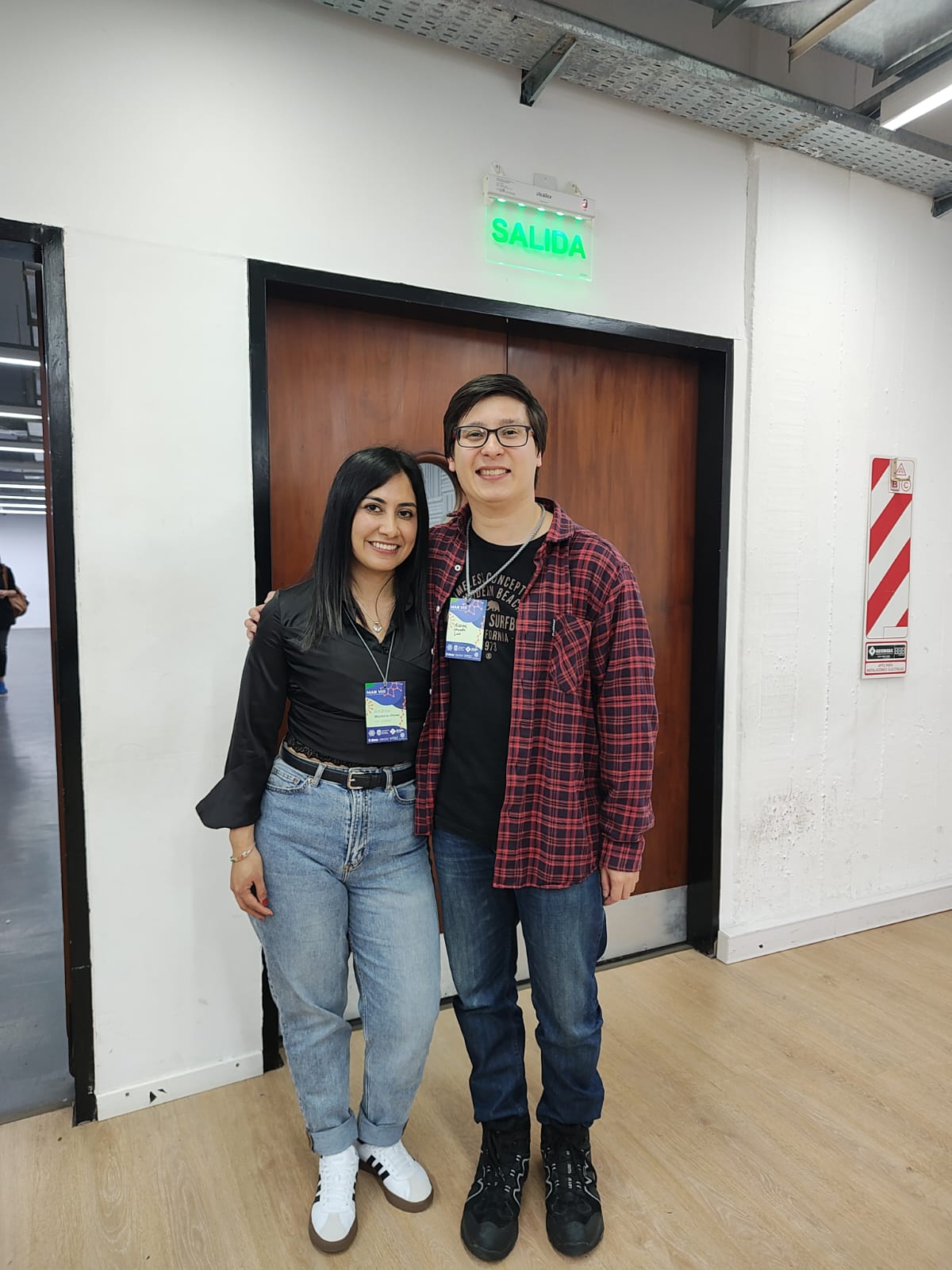
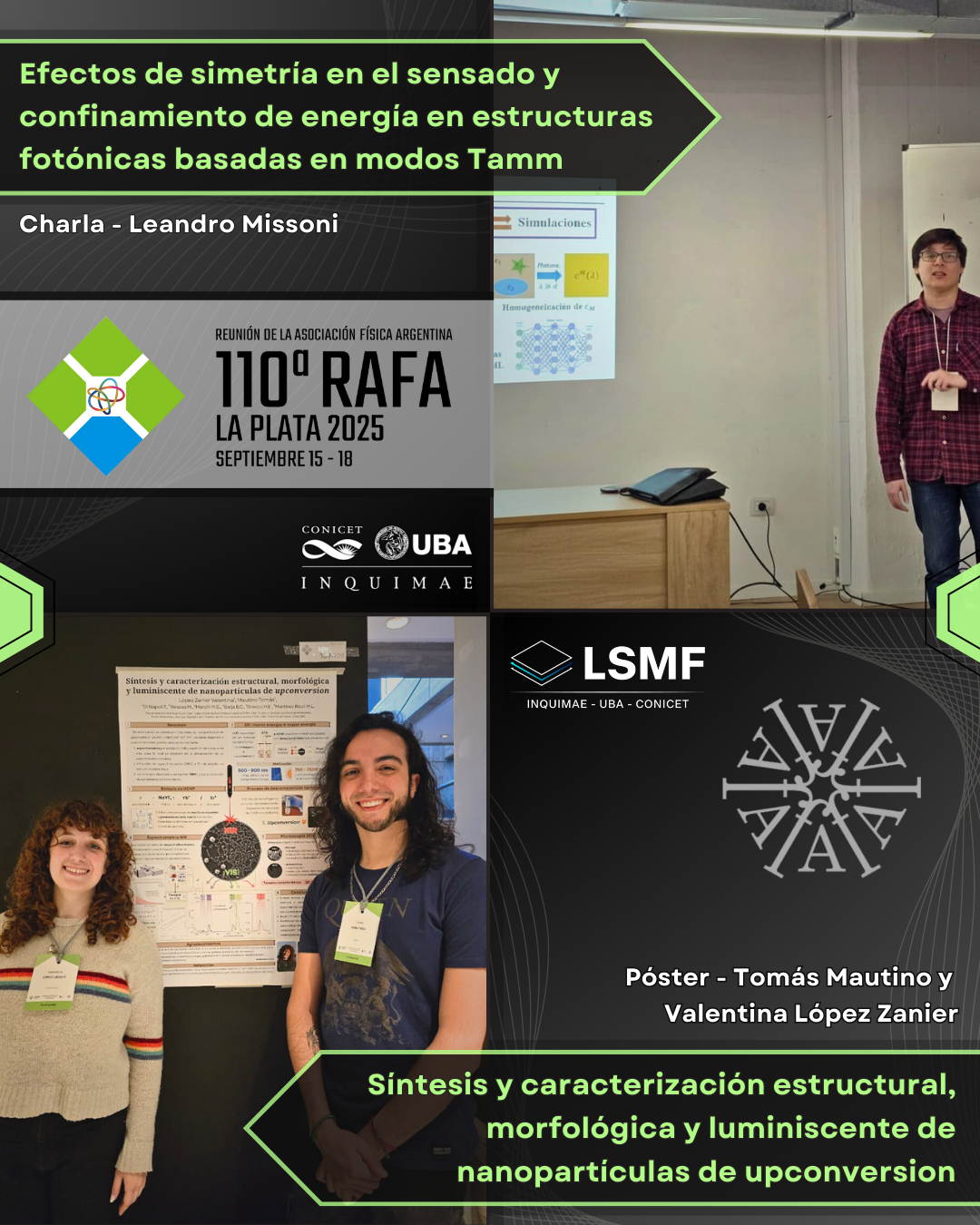
Leandro Missoni presented “Symmetry effects in sensing and energy confinement in photonic structures based on Tamm modes.” His work involved the study of various photonic architectures coupled with metals, showing great potential for sensor applications through the use of mesoporous materials. In collaboration with Dr. Cecilia Fuertes and Lic. Camila Borrazás, the results obtained from electromagnetic simulations were used to build photonic sensors with excellent sensitivity and resolution.
Valentina López Zanier and Tomás Mautino, students of Laboratory 6 and 7 of the B.Sc. in Physical Sciences, presented the poster “Synthesis and structural, morphological, and luminescent characterization of upconversion nanoparticles”. The work detailed the synthesis process of UCNPs 𝛽-NaYF₄:Yb³⁺/Er³⁺,Tm³⁺, and their subsequent characterization through NIR excitation spectroscopy, lifetime measurements, powder XRD, and SEM microscopy.
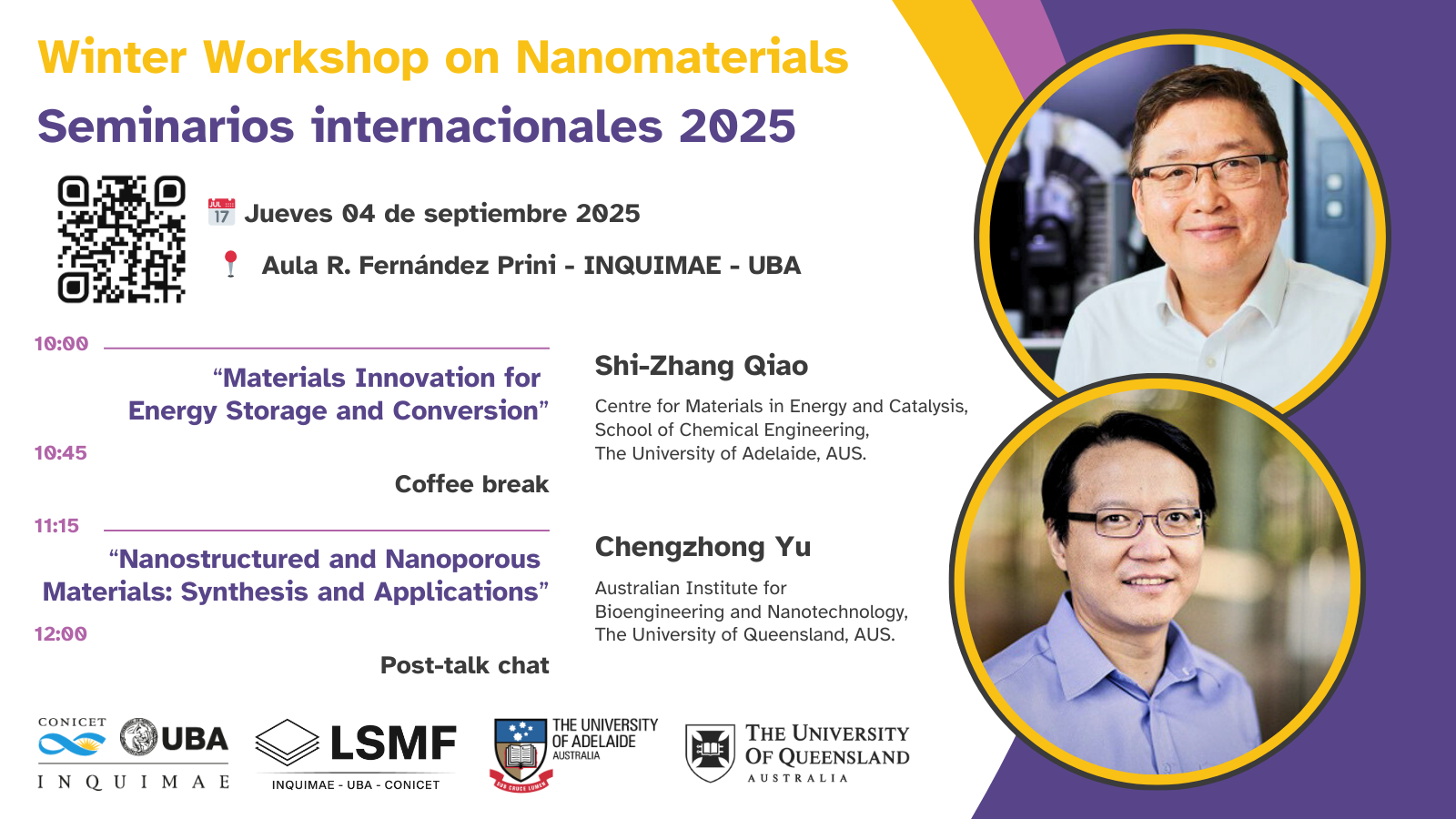
“Materials Innovation for
Energy Storage and Conversion”
Shi-Zhang Qiao
Centre for Materials in Energy and Catalysis, School of Chemical Engineering,
The University of Adelaide, SA5005, Australia
s.qiao@adelaide.edu.au
The emerging electrocatalytic refinery (E-refinery) promisingly leads to defossilization, decarbonization, and decentralization of chemical industry. Specifically, powered by renewable electricity (e.g., solar, wind and hydro power), oxygen evolution reaction (OER) and hydrogen evolution reaction (HER) can efficiently split water into green hydrogen. A crucial step in realizing this prospect is the knowledge-guided design of optimal electrocatalysts with high activity and selectivity. In this presentation, I will talk about our recent progress in mechanism understanding and material innovation for electrocatalytic seawater splitting for green hydrogen production.
Aqueous zinc-based batteries (AZBs) and metal-sulphur batteries (MSBs) hold significant potential for energy storage due to their low cost, high safety, impressive energy density, and environmental friendliness. However, they face major challenges for commercialization, including the lack of advanced cathode materials for AZBs and slow reaction kinetics for MSBs. For AZBs, I will introduce our latest advancements that demonstrate the exceptional durability of Zn-I₂ batteries in industrial-scale pouch cells, which are operated under conditions of high active mass loading for cathodes and limited Zn supply for anodes. I will show our new efforts to harness the reversible four-electron I⁻/I₂/I⁺ conversion electrochemistry, aiming to enhance the energy density of Zn-I₂ batteries. For MSBs, I will introduce our recent research progress on developing fundamental designing principal of nanocomposite catalysts capable of enabling high-power performance in Li||S battery systems.
“Nanostructured and Nanoporous Materials:
Synthesis and Applications”
Chengzhong Yu
Australian Institute for Bioengineering and Nanotechnology,
The University of Queensland, Australia
c.yu@uq.edu.au
Nanoporous materials with diverse compositions and controllable pore structures have received extensive attention. Construction of nanostructured and nanoporous materials has enabled new opportunities in understanding the fundamental structure-property relationship in diverse research areas. My group focuses on the synthesis of nanostructured and nanoporous materials as well as their applications in drug delivery and catalysis. In this talk, I will give an overview of our recent progresses.
Firstly, mesoporous nanoparticles for drug delivery applications will be presented. Nanoparticles have been applied as various drug delivery systems, conventionally as “nanocarriers” to deliver drug molecules for controlled release. We have shown that nanoparticles designed as both “carriers” and “biomodulators” are advanced drug delivery systems with unprecedented functions that cannot be obtained before. This concept has been recently applied in gene delivery and cancer nanoimmunotherapy, harnessing the chemistry of designed nanoparticles to regulate bio-signalling for immunotherapy.
In the second part, anisotropic nanostructured metal-organic frameworks (nMOFs) will be introduced. MOFs have intrinsic molecular and nanoscale anisotropy, the latter is significantly amplified via nanosizing and control over facet exposure. The combination of both molecular and nanoscale engineering is a new strategy to enhance the functions of anisotropic nMOFs, yet this research area is still at its infancy. I will introduce our recent progresses in anisotropic nMOFs and their application, including strategies to increase atomic anisotropy (e.g., mixed metal ions / ligands, modulating ligands) and nanoscale anisotropy (e.g., facet control and nanoarchitectonics. The resultant materials exhibit superior catalytic performances such as oxygen / nitrogen reduction reactions.
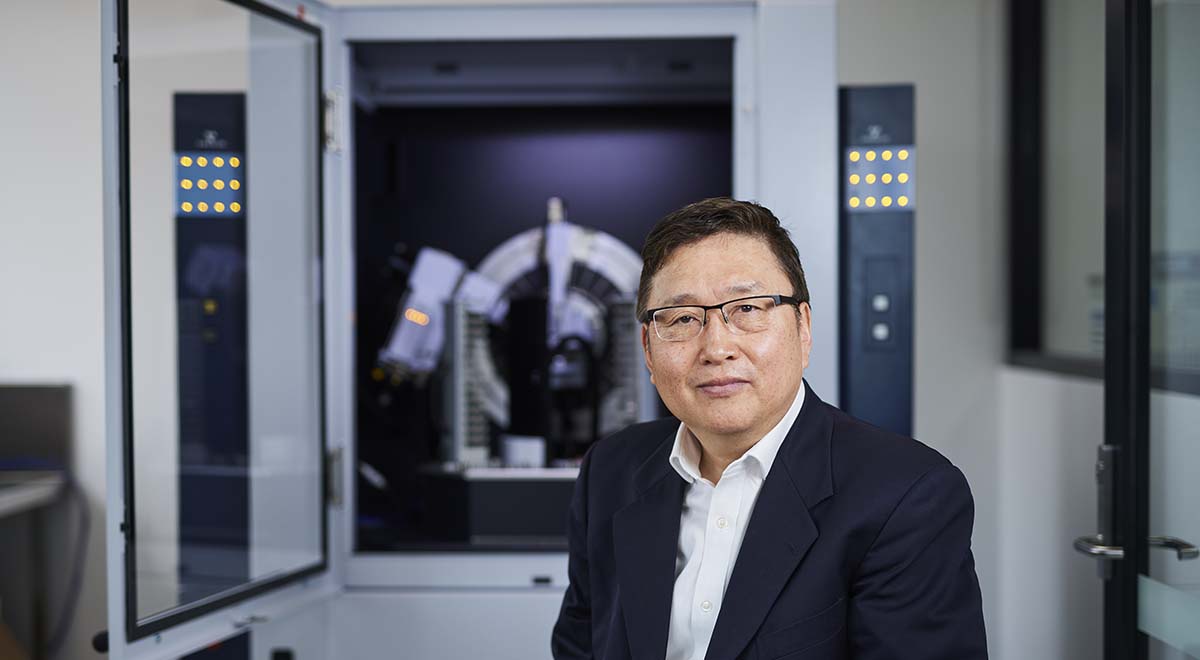
Dr. Shizhang Qiao is a Chair Professor, the founding Director of the Center for Materials in Energy and Catalysis (CMEC), and Director of ARC Industrial Transformation Training Centre for Battery Recycling, at the University of Adelaide (UoA), Australia. His research expertise lies in nanostructured materials for electrocatalysis, batteries, and other new energy technologies. He has co-authored 595 papers in refereed journals with 151,000 citation times, resulting in an h-index of 199.
In recognition of his research achievements, Dr. Qiao has been awarded several prestigious awards, including inaugural ARC Industry Laureate Fellow (2023), the South Australian Scientist of the Year (2021), ARC Australian Laureate Fellow (2017), ExxonMobil Award (2016), and ARC Discovery Outstanding Researcher Award (DORA, 2013) among others.
He is an elected Fellow of Australian Academy of Science (FAA), a Fellow of the International Institute of Chemical Engineers (FIChemE), and the Royal Chemical Society (FRSC). Dr. Qiao is the Editor-in-Chief of EES Catalysis (RSC) and also recognized as a Clarivate Analytics Highly Cited Researcher in two categories (Chemistry, Materials Science).
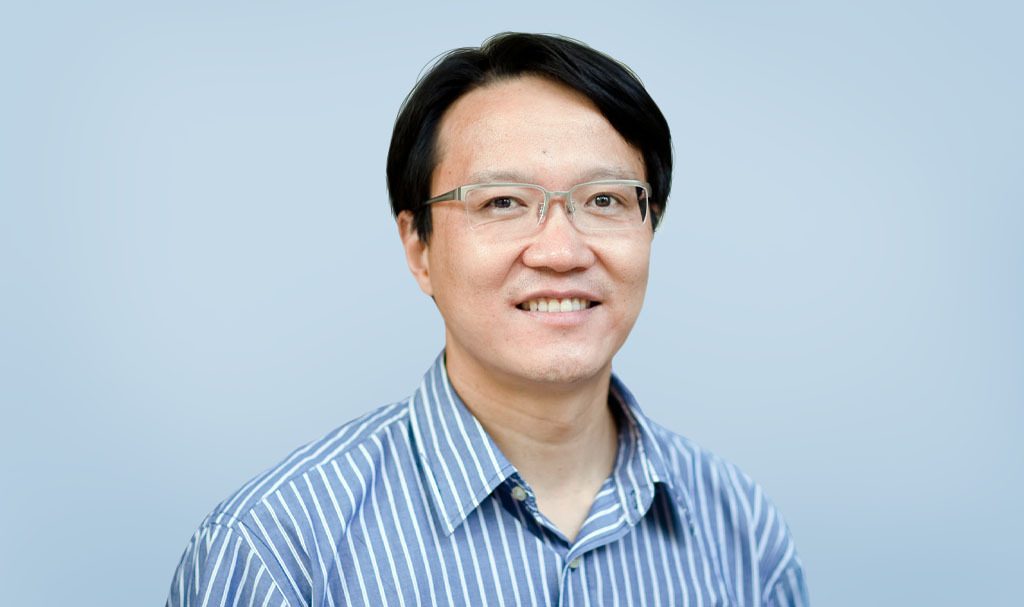
Professor Chengzhong Yu received his PhD from Fudan University in 2002. He has published over 400 peer-reviewed journal articles, which have been cited over 37,700 times and resulted in an H-index of 105 (Google Scholar).
He has received awards including the Le Févre Memorial Prize from the Australian Academy of Science and the NHMRC Leadership Fellowship. He is the Associate Editor of J. Mater. Chem. B and Materials Advances. He is holding several patents that have been licensed to industrial partners, including DNA vaccine and aluminium ion battery technologies.
Doctoral Thesis Defense: “Modeling of Self-Assembly, Structure, and Optical Properties of Nanoscale Superstructures”,
by Leandro Missoni
June 12, 2025
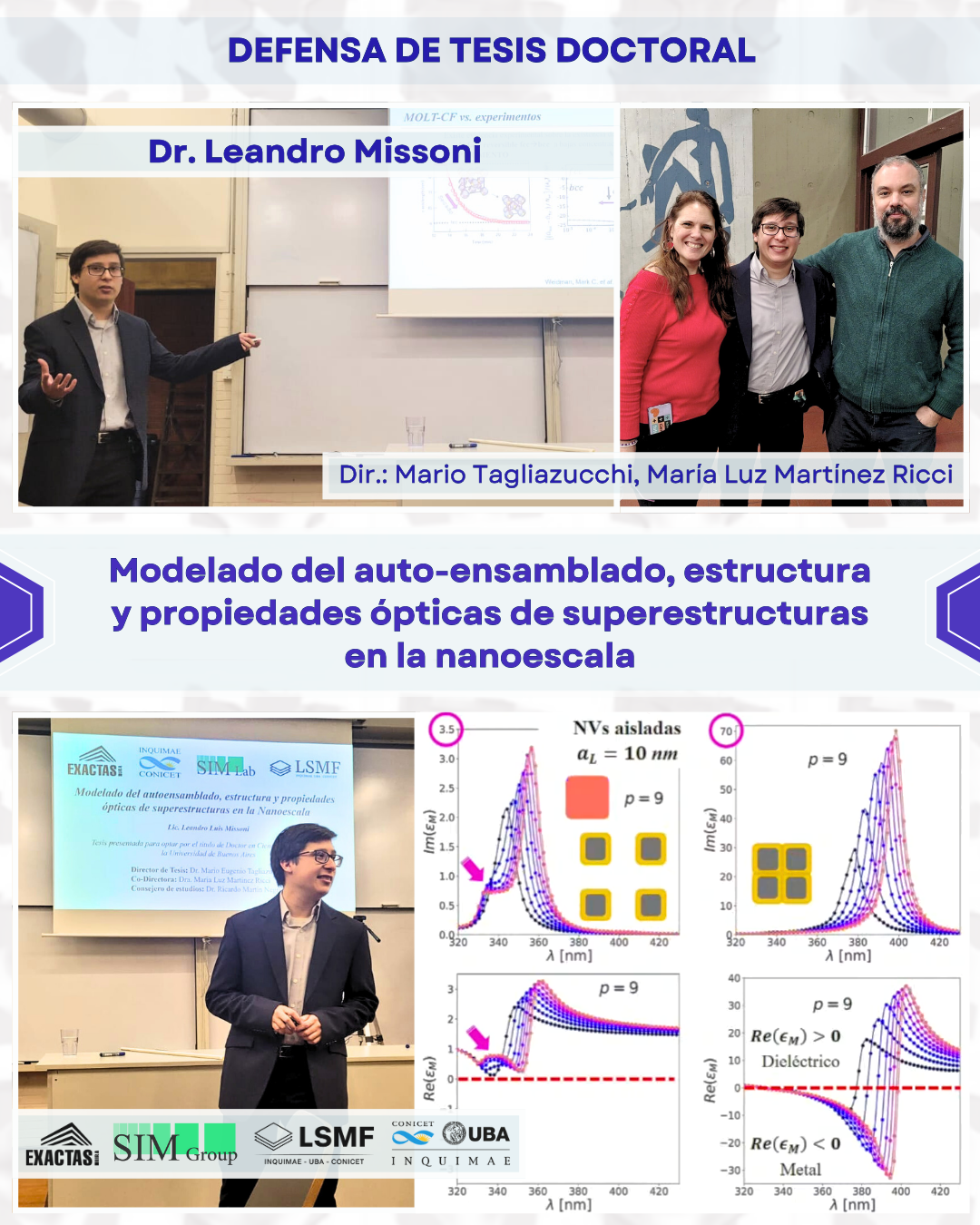
On June 12, the defense of the doctoral thesis took place: “Modeling of Self-Assembly, Structure, and Optical Properties of Nanoscale Superstructures”, by Lic. Leandro Missoni. The thesis was supervised by Dr. Mario Tagliazucchi from the SIM Group (Soft Interfaces and Materials Group) and Dr. María Luz Martínez Ricci from the LSMF, both groups belonging to INQUIMAE-UBA. Dr. Martin Negri served as the Academic Advisor for this thesis, while the examination committee consisted of Dr. Diana Skigin (Associate Professor, DF-FCEyN, UBA and Independent Researcher, CONICET, IFIBA, CONICET), Dr. Damián Scherlis (Adjunct Professor, DQIAQF, FCEyN-UBA and Principal Researcher, CONICET, INQUIMAE), and Dr. Mario del Pópolo (Principal Researcher, CONICET, UNCuyo).
Abstract:
This project presented the study of nanoparticle supercrystals (SCNPs) that self-assemble into periodic systems. The focus was on the thermodynamics of self-assembly to define equilibrium structures, using Molecular Theory (MOLT). In particular, progress was made in developing an implementation that enables working with solvent-free systems, whose results were validated through molecular dynamics simulations.
The unusual optical properties of SCNPs were analyzed using multiphase homogenization methods, leading to tunable responses. One-dimensional structures composed of photonic crystals and thin films of SCNPs capable of generating localized Tamm modes were studied, as well as their potential for refractive index change sensing and for concentrating light energy in sub-wavelength regions.
ㅤCongratulations, Lean!
XIV NanoAndes International School:
“Nanosciences: Innovation for a Sustainable and Enduring Future”
Santiago de Chile - November, 2025
Attention, Science and Nanotechnology Community!
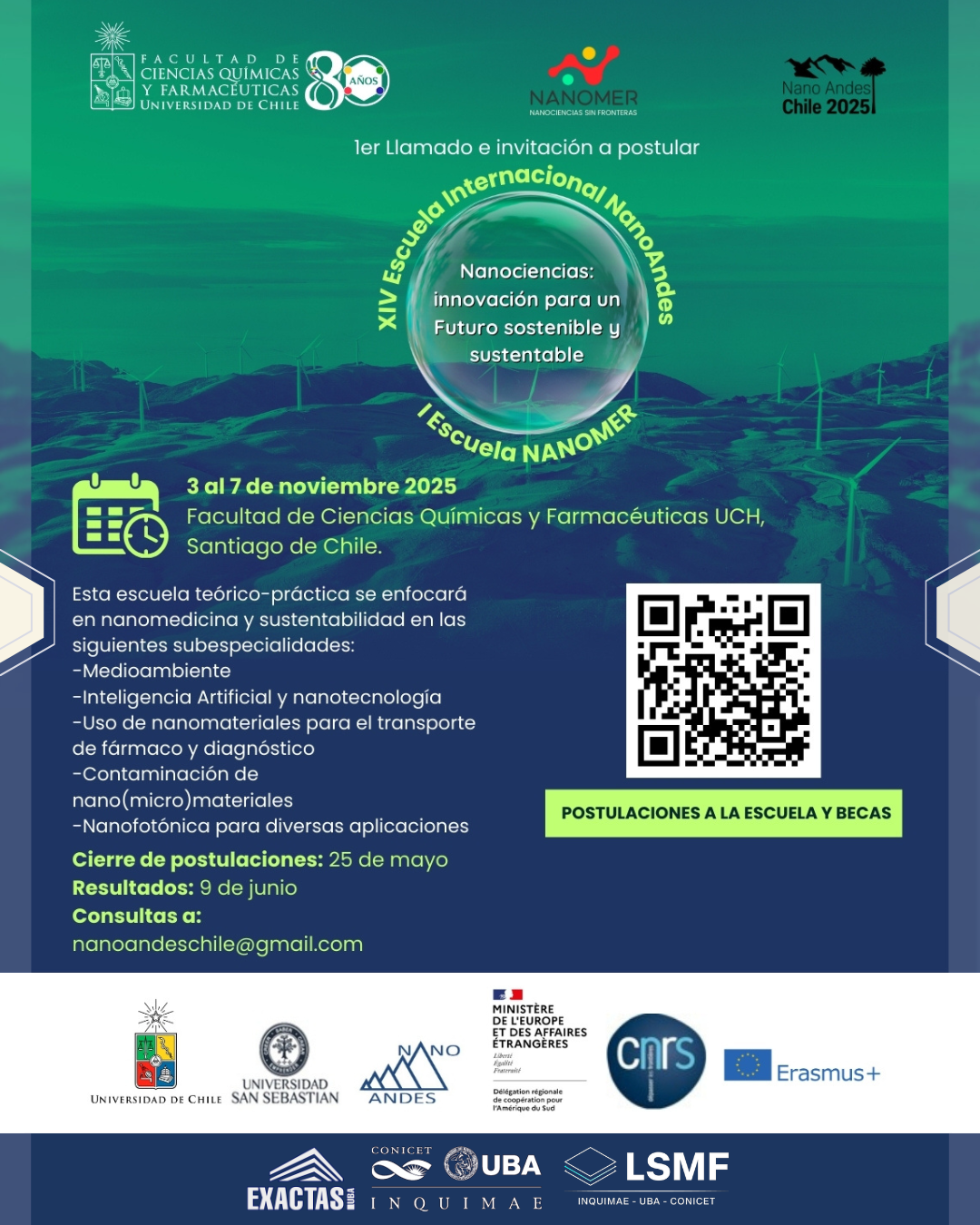
We are getting ready to welcome the 14th edition of the NanoAndes International School: “Nanosciences: Innovation for a Sustainable and Enduring Future”, which will take place alongside the 1st NANOMER School. The event will be held in Santiago, Chile, from November 3 to 7, 2025, at the Faculty of Chemical and Pharmaceutical Sciences, University of Chile.
Researchers associated with the NanoAndes Network, Nanomer “Nanosciences with Latin America” supported by Erasmus+ of the European Community, and the French–Latin American GDRi Network “Nanomaterials and Nanostructures for Energy and Health” aim to create a key multidisciplinary space for discussion and advancement of nanotechnology across various scientific and technological fields.
This theoretical and practical school will focus on nanomedicine and sustainability within the following subfields:
🗸 Environment
🗸 Artificial Intelligence and Nanotechnology
🗸 Use of Nanomaterials for Drug Delivery and Diagnosis
🗸 Pollution from Nano(micro)materials
🗸 Nanophotonics for Various Applications
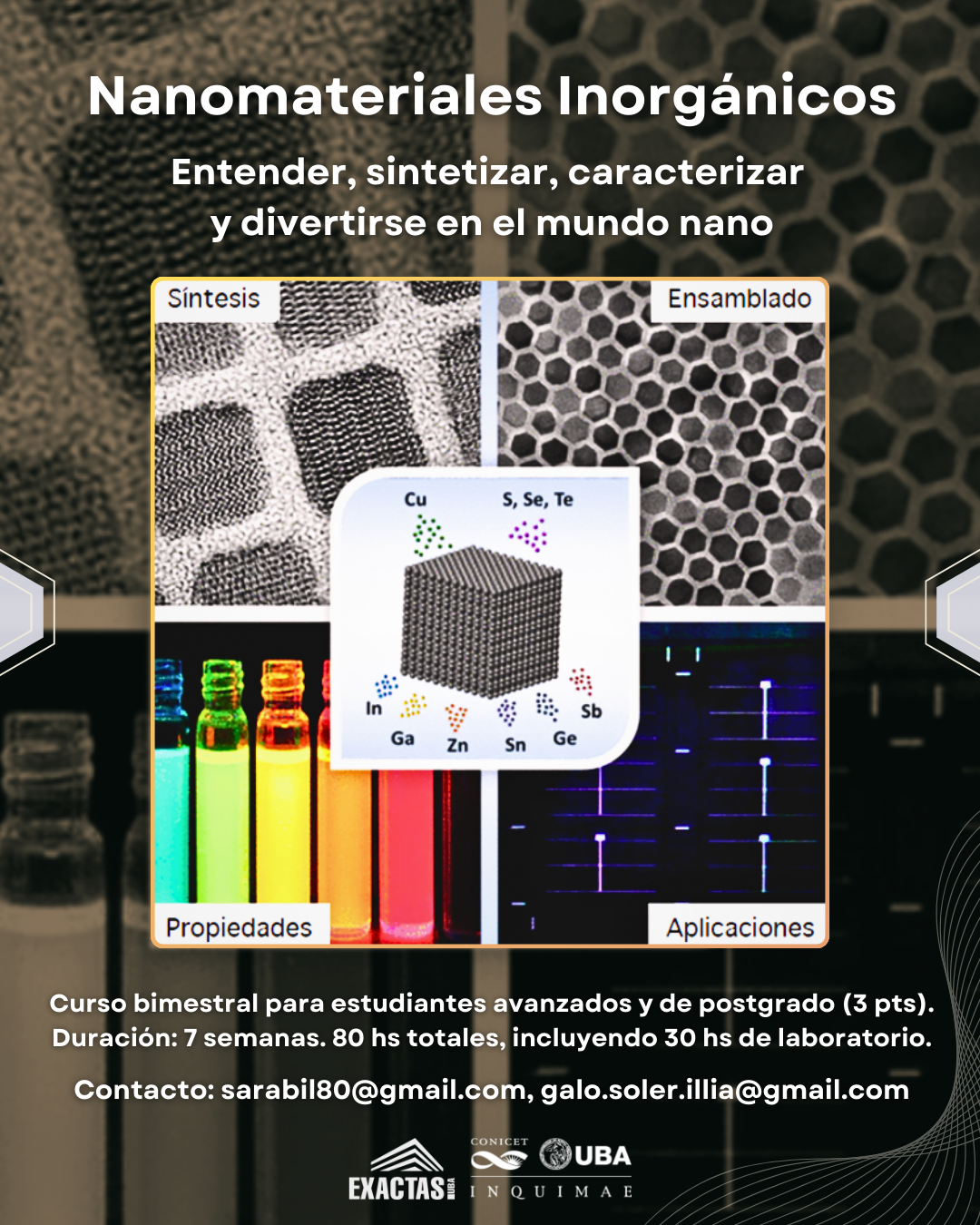
'Inorganic Nanomaterials' (Summer Course 2025, DQIAyQF)
February - March, 2025
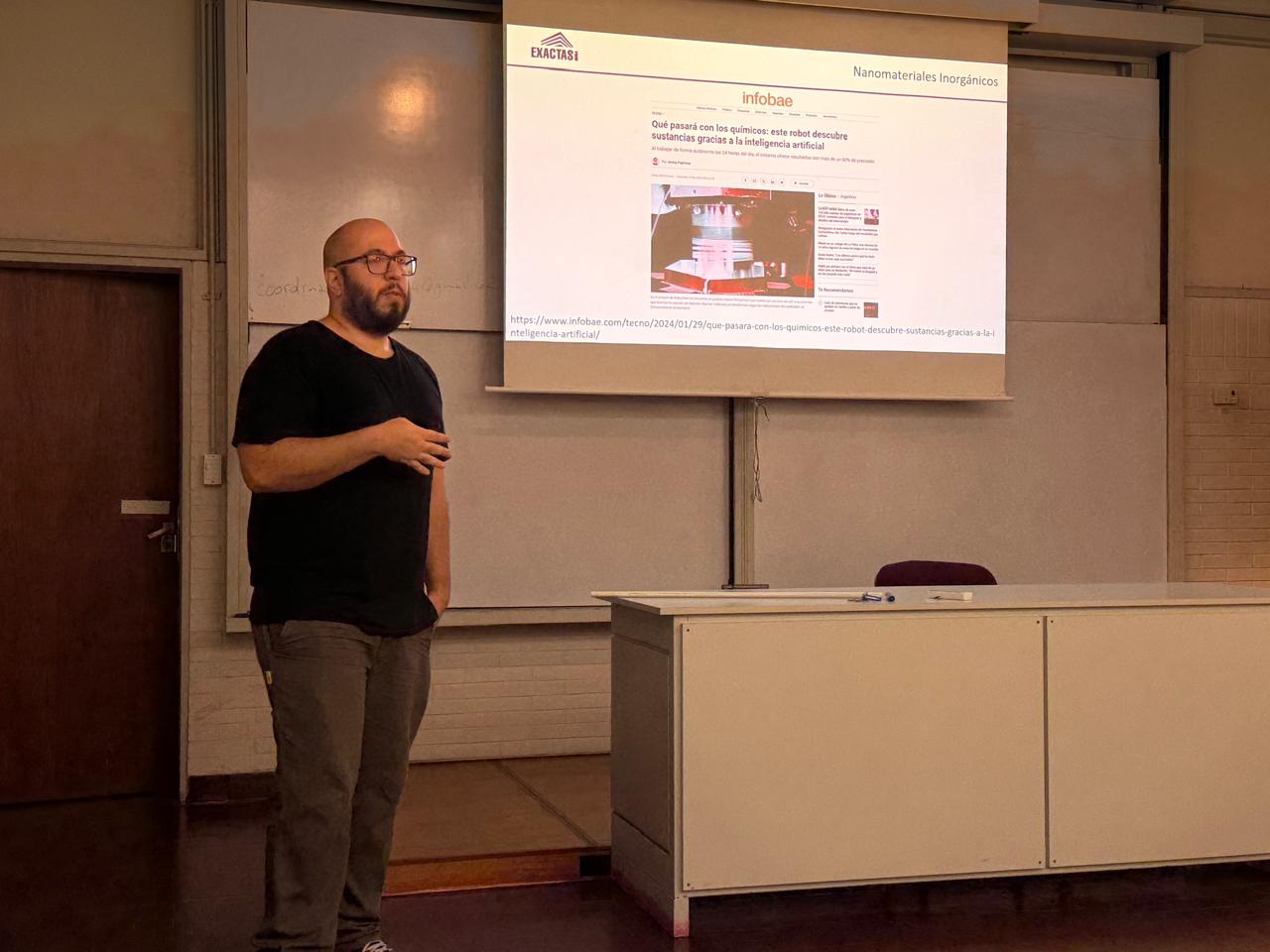
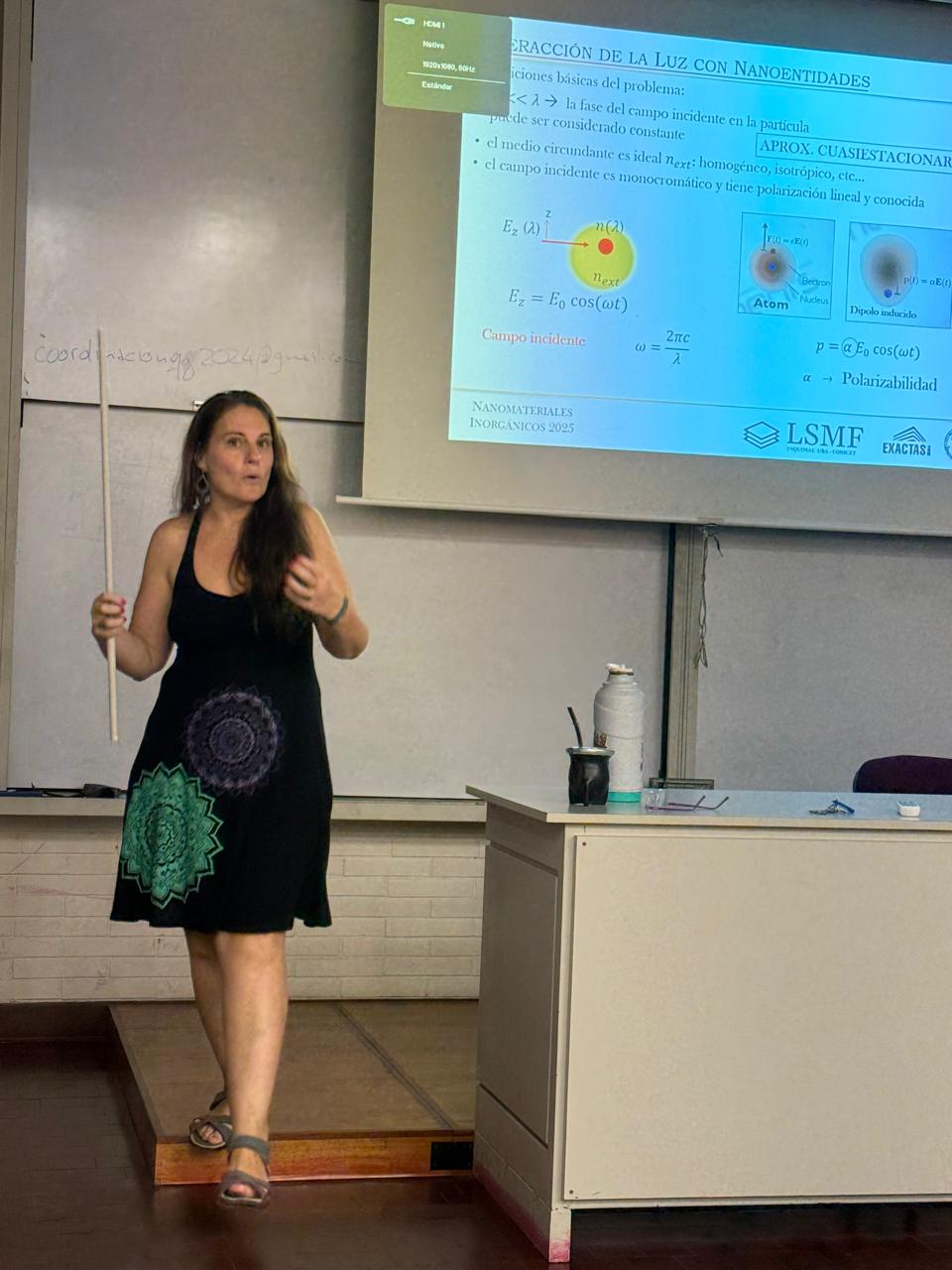
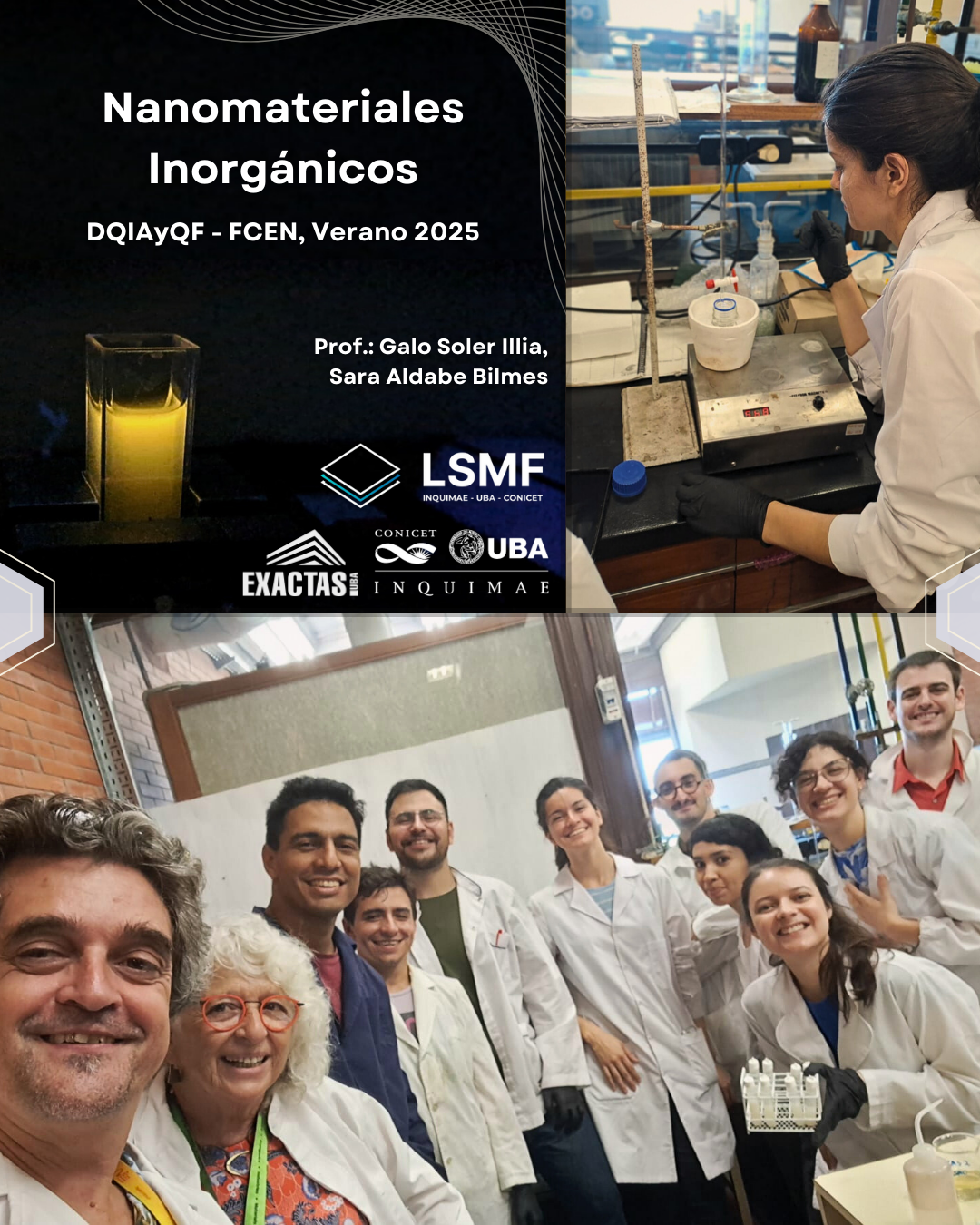
At DQIAQF - FCEN, the Inorganic Nanomaterials course is being held, where students explore the synthesis and characterization of materials at the nanometric scale. The course—taught by Sara Aldabe Bilmes and Galo Soler Illia, with the participation of María Claudia Marchi, María Luz Martínez Ricci, and Diego Onna—includes laboratory experiences and theoretical classes over a total of seven weeks, during which students delve into the properties and applications of these materials in various fields.
This theoretical-practical course consists of a total of 50 hours of classes and covers topics such as the study of interactions between nano-objects, nanomaterial characterization techniques, nanoparticle synthesis methods, and applications, among others. The laboratory work, on the other hand, lasts 30 hours and focuses on the synthesis and characterization of a nanomaterial, the analysis of synthesis process variables, and the determination of properties related to potential applications.
New article:
"One-Pot Synthesis of Core–Shell Au@mSiO2 Nanoparticles
for Photothermal Applications"
February 28, 2025
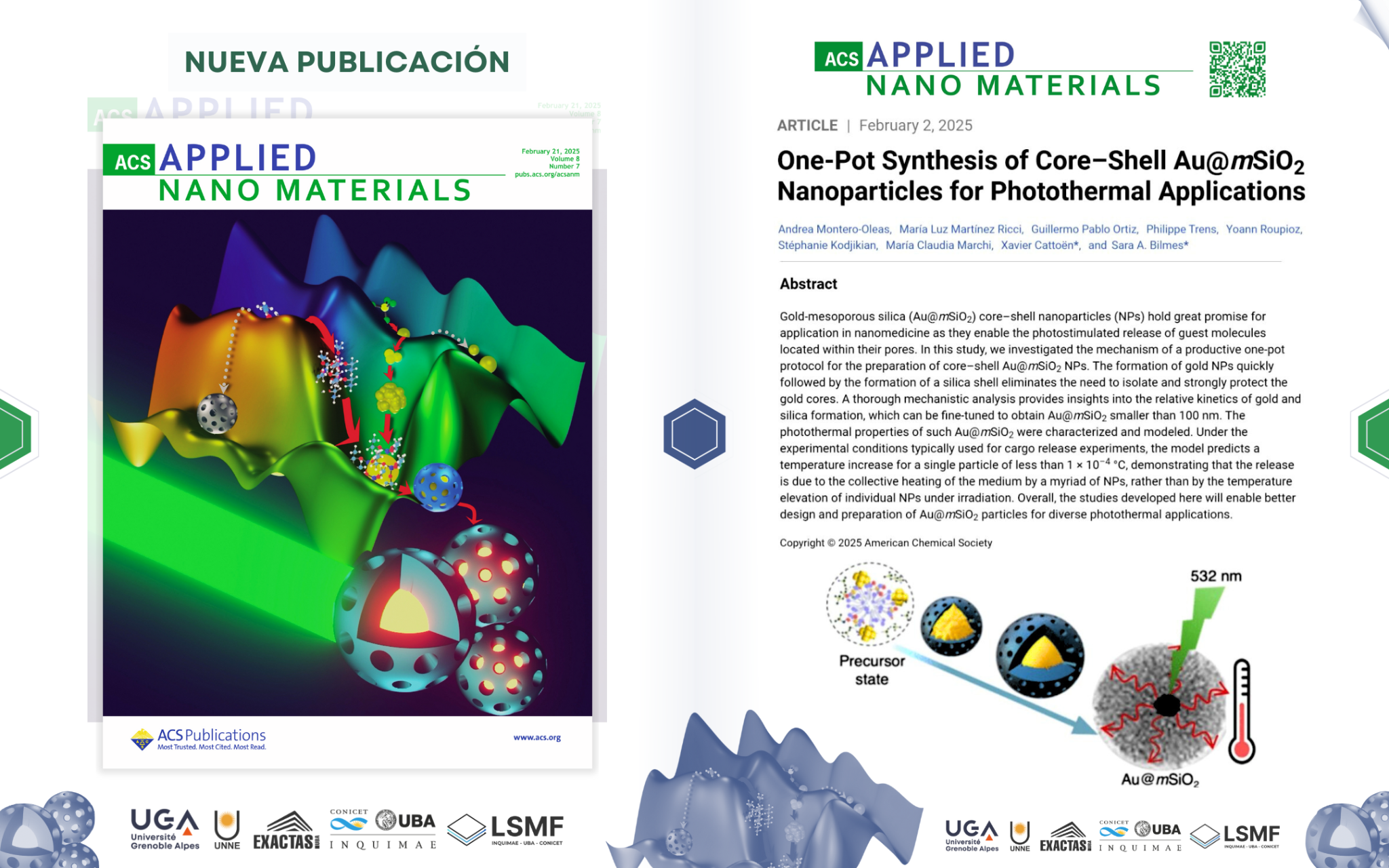
The article has been featured on the cover of ACS Applied Nanomaterials. This work, developed as part of Andrea Montero Oleas' doctoral thesis, stems from the collaboration between LSMF, the National University of the Northeast (UNNE), and the University of Grenoble Alpes (UGA).
This work studies reaction trajectories within the synthesis landscape, aiming to guide gold and silica to intersect and form Au@mSiO2 nanoparticles in a one-pot efficient protocol. We investigated the plasmonic heating capabilities of these particles through synthesis and modeling, bridging nanoscale precision with macroscopic applications.